
PAIN, INFLAMMATION & MOBILITY CONDITIONS
Pain and Mobility Conditions Can Affect the Whole Body
A diagnosis may identify a condition, but it does not always explain how that condition affects the rest of your body or your daily life. To understand your individual experience, we consider several areas that may influence comfort, movement and physical recovery.
At The Well, we take time to listen to your full story, including where discomfort is felt, how it affects your movement, previous injuries, current care and personal goals. This whole-person perspective helps us identify supportive modalities that may complement your existing care and provide a practical place to begin.
SUPPORT THAT COMPLEMENTS YOUR CARE
Your Diagnosis Is Part of the Story
A diagnosis can provide important direction, but it cannot fully describe how a condition affects you. Two people with the same diagnosis may experience discomfort in different locations, at different levels or in very different ways. Previous injuries, physical demands, treatment history and everyday limitations can also shape each person’s experience.
We look beyond the name of the condition to understand your symptoms, movement patterns, current treatment and personal goals. This helps us consider how complementary wellness support may fit appropriately alongside the care you are already receiving.
EXPLORE PAIN & MOBILITY CONDITIONS
Find the Condition You Are Navigating
The conditions below are grouped to make the page easier to explore. Open any condition to learn more about it, the broader areas of wellness we may consider and how personalized support may complement the care you are already receiving.
Joint, Spine & Structural Conditions
Arthritis
Arthritis describes a broad group of conditions that affect the joints and surrounding tissues. Osteoarthritis and inflammatory forms of arthritis, such as rheumatoid arthritis, have different causes, symptoms and medical needs. The Well may consider mobility, nutrition, sleep, stress and how discomfort affects daily activities. Supportive modalities are personalized and designed to complement care from your physician, rheumatologist or other healthcare providers.
Chronic Back Pain
Chronic back pain may involve persistent or recurring discomfort, stiffness or limited movement. Its location and intensity can vary, and several factors may influence how it is experienced. We may consider movement patterns, previous injuries, physical demands, muscle tension, sleep and recovery. Complementary support does not replace medical evaluation, imaging or prescribed treatment. New or worsening weakness, numbness or changes in bowel or bladder control require prompt medical attention.
Chronic Neck Pain
Chronic neck pain may include recurring discomfort, stiffness or reduced movement that can sometimes extend into the shoulders, head or arms. Each person’s experience and underlying medical needs may be different. The Well may consider posture, repetitive activities, previous injuries, muscle and fascial tension, stress and sleep. Supportive modalities complement appropriate medical care. Persistent numbness, tingling, weakness or other neurological changes should be evaluated by a qualified healthcare provider.
Scoliosis
Scoliosis is a condition in which the spine curves sideways. The location and severity of the curve can vary, and some people experience few limitations while others need ongoing monitoring or treatment. The Well may consider comfort, mobility, muscle tension and the demands of daily activity. Complementary modalities do not correct the spinal curve or replace medical monitoring, imaging, bracing, physical therapy or surgical recommendations.
Widespread, Head & Jaw Conditions
Fibromyalgia
Fibromyalgia is a chronic condition commonly associated with widespread pain, tenderness, fatigue, disrupted sleep and difficulty concentrating. The combination and severity of symptoms can vary considerably from one person to another. The Well may consider sleep, stress, nervous system regulation, nutrition, gentle movement and physical recovery. Supportive modalities are intended to complement the treatment plan developed with your physician or other healthcare providers, not replace it.
Migraines
Migraine is a neurological condition involving recurring attacks that may include head pain, nausea and sensitivity to light or sound. Some people also experience visual or sensory changes called aura. The Well may consider sleep, hydration, nutrition, stress, physical tension and patterns surrounding attacks. Complementary support does not replace neurological evaluation or prescribed medication. A sudden severe headache or significant change in your usual pattern requires prompt medical attention.
TMJ Dysfunction
Temporomandibular disorders, often called TMJ dysfunction, include conditions affecting the jaw joint, chewing muscles and surrounding tissues. Symptoms may include jaw pain, limited movement, clicking or discomfort while chewing, but experiences and causes vary. The Well may consider jaw tension, stress, neck and shoulder tension, daily habits and physical comfort. Supportive modalities complement evaluation and care from a dentist, physician or qualified orofacial specialist.
Nerve, Foot & Repetitive-Strain Conditions
Sciatica
Sciatica describes pain or other sensations that travel along the path of the sciatic nerve, often from the lower back or buttock into the leg. Symptoms may include tingling, numbness or weakness, but the location of the discomfort does not identify its source. We may consider movement patterns, previous injuries, physical demands and muscle tension. Worsening weakness, significant numbness or changes in bowel or bladder control require prompt medical evaluation.
Carpal Tunnel Syndrome
Carpal tunnel syndrome occurs when the median nerve is compressed as it passes through the wrist. It may cause pain, numbness, tingling or weakness in the hand and fingers, although similar symptoms can have other causes. The Well may consider repetitive activities, work demands, movement patterns, physical tension and recovery. Complementary support does not replace medical evaluation, nerve testing, bracing, medication or surgical recommendations when they are needed.
Plantar Fasciitis
Plantar fasciitis involves irritation of the band of tissue that supports the bottom of the foot and commonly causes discomfort near the heel. Symptoms may be especially noticeable with the first steps after resting or following activity. The Well may consider footwear, activity demands, lower-body movement, muscle tension and recovery habits. Persistent or worsening foot pain should be medically evaluated to confirm the diagnosis and rule out other possible causes.
Don’t See Your Condition Listed?
The conditions on this page represent common concerns involving pain, inflammation and mobility, but they are not a complete list. Every diagnosis and every person’s experience can be different.
Tell us about the condition you are navigating, the care you are currently receiving and how it affects your comfort, movement and daily life. Our team will review what you share and help determine whether The Well’s complementary approach may be an appropriate addition to your existing care.
LOOKING BEYOND THE DIAGNOSIS
Pain and Mobility Conditions Can Affect the Whole Body
A diagnosis may identify a condition, but it does not always explain how that condition affects the rest of your body or your daily life. To understand your individual experience, we consider several areas that may influence comfort, movement and physical recovery.
Pain Location & Movement Patterns
We look at where discomfort is felt, whether it stays in one area or travels and how it changes with movement or rest. Sitting, standing, walking, working and exercising may all reveal important patterns.
Previous Injuries, Procedures & Surgeries
Past injuries, repetitive strain, procedures, surgeries and rehabilitation may remain relevant even when they occurred years ago. We consider this history alongside your current symptoms and medical care.
Muscles, Fascia & Joint Mobility
Muscle tension, fascial restrictions, stiffness and changes in joint mobility can influence how comfortably the body moves. We also consider whether avoiding discomfort has led to compensating movement patterns elsewhere in the body.

Stress & Nervous System Regulation
Ongoing stress may contribute to muscle guarding, jaw tension, headaches and difficulty fully relaxing. We consider these patterns without assuming that stress caused your condition or that physical discomfort is simply emotional.
Sleep, Nutrition & Physical Recovery
Restorative sleep, hydration, nutrition and recovery habits can affect how the body responds to physical demands. These areas are considered as part of your broader wellness picture, not as an explanation for the diagnosis itself.

Medical Treatment & Current Care
We account for your diagnosis, imaging, medications, injections, physical therapy, surgical recommendations and any restrictions you have been given. Understanding care from your physicians, chiropractors, dentists and other specialists helps us determine how complementary support may fit safely alongside it.
Considering these areas helps us understand how your condition affects you as a whole. It does not identify the cause of your condition or replace medical evaluation, testing or treatment. Our role is to come alongside you and your healthcare providers with personalized support that complements and respects the care you are already receiving.
Still Trying to Understand Your Pain or Mobility Symptoms?
If you have not received a diagnosis or are still trying to understand concerns such as joint pain, stiffness, swelling, recurring headaches or limited movement, begin with our symptom guide. Explore common patterns and learn how The Well may help you identify an appropriate place to begin.
A PERSONALIZED APPROACH
We Start by Listening to the Whole Story
Digestive symptoms can be frustrating, especially when they change from day to day or do not seem to follow an obvious pattern. At The Well, your first step is not choosing from a list of modalities. Our process begins with understanding what you have been experiencing and how it is affecting your everyday life.
1. Understand What You Are Experiencing
We take time to learn how your symptoms appear, when they tend to occur and whether you have noticed patterns involving certain foods, meals or routines. We may also discuss bowel habits, appetite, health history, medications, current medical care and your goals. You do not need to arrive with perfect records or an explanation for what is happening.
2. Explore Relevant Areas of Support
Using the information you share and any appropriate assessments, we consider patterns that may be relevant to your digestive wellness. This may include nutrition, eating habits, hydration, stress and daily routines. We then consider which modalities may offer meaningful support and how they can complement care you are already receiving from your healthcare providers.
3. Create a Personalized Starting Point
You will not be expected to determine which modality you need on your own. Our team will help you identify a practical starting point based on your concerns, goals and comfort level. Your plan may begin with one modality or include several forms of support over time, with recommendations adjusted as your needs change.
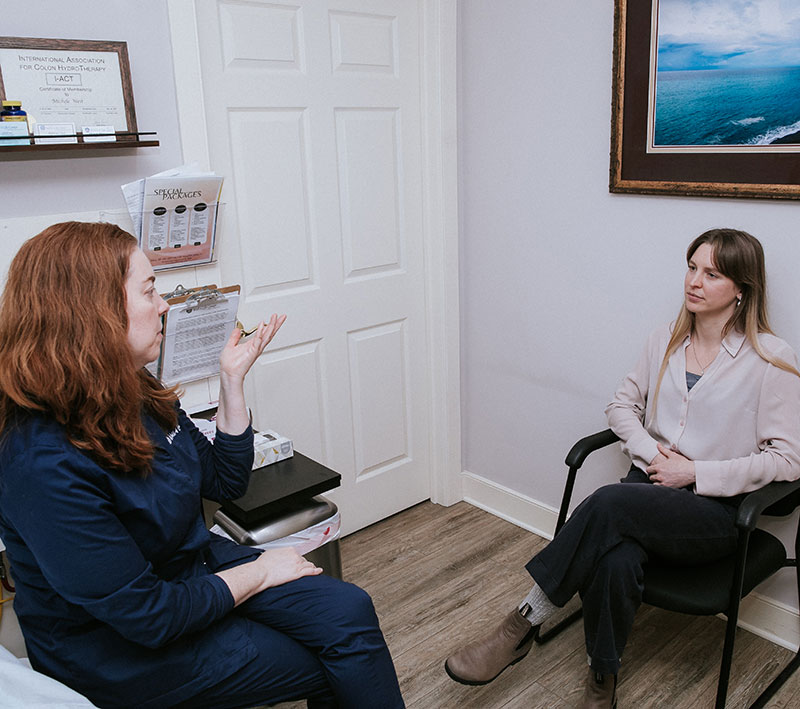
Our goal is to come alongside you and your healthcare providers with support that complements your existing care and reflects your digestive concerns, health history and personal wellness goals.
A PERSONALIZED APPROACH
We Come Alongside You and Your Healthcare Providers
Personalized support begins with understanding both the condition you are navigating and how it affects your individual life. We take time to learn about your current care, daily challenges and goals before considering where The Well may be able to support you.
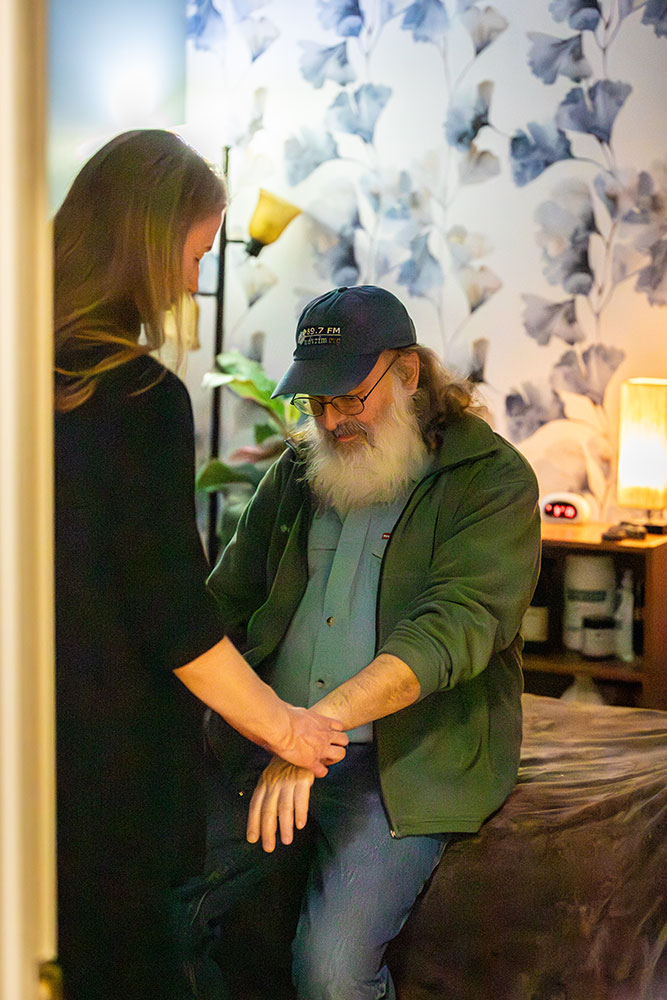
1. Understand Your Diagnosis and Current Care
We begin by learning about your diagnosis, healthcare providers, imaging, medications, injections, physical therapy, surgeries and any medical restrictions or recommendations you have received. Understanding your current treatment plan helps us ensure that complementary support respects the care already in place.
2. Understand How It Is Affecting You
We explore where discomfort is felt, when it occurs, what seems to improve or aggravate it and how it affects movement, sleep, work and everyday activities. We also consider previous injuries, physical demands and the goals that brought you to The Well.
3. Identify Complementary Support
Based on your conversation and any appropriate assessments, we consider which supportive modalities may align with your needs, comfort level and existing care. You will not be expected to determine the cause of your symptoms or choose a modality on your own.
Our goal is to come alongside you and your healthcare providers with personalized support that complements your existing care and helps you move forward with greater comfort and confidence.
MODALITIES THAT MAY SUPPORT YOU
Personalized Support for Comfort and Movement
The modalities considered will depend on your diagnosis, symptoms, current treatment, comfort level and personal goals. Having a particular condition does not automatically mean that you need a specific modality. Our team will help you determine which options, if any, may appropriately complement your existing care.
These hands-on modalities can provide a broad starting point for exploring alignment, mobility, fascial tension and the ways your body moves as a whole.
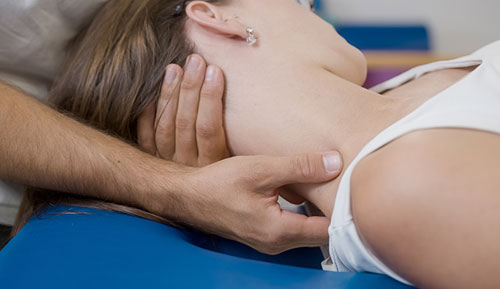
Chiropractic Care
Gentle, personalized chiropractic care may support joint mobility, alignment and more comfortable movement. Recommendations are based on your individual needs, health history and current medical care.
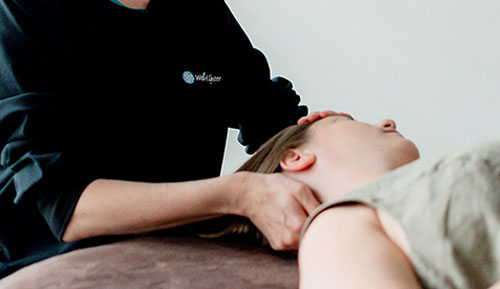
Craniosacral Fascial Therapy
This gentle, hands-on modality focuses on restrictions within the craniosacral fascial system. It may support greater comfort, mobility and balance when fascial tension is part of the broader picture.
Additional Modalities That May Be Considered
Depending on your diagnosis, current care and individual concerns, one or more of these modalities may be considered as part of your personalized plan.

Kinetic Chain Release
A gentle series of stretches and joint movements that may support whole-body balance, reduce tension and encourage greater ease of movement.

Muscle Response Testing
A non-invasive assessment method that may help identify areas of stress and guide individualized nutritional and wellness recommendations when broader patterns need to be considered.

Personalized Nutrition
Individualized nutrition and supplement recommendations may support your body’s nutritional needs, physical recovery and broader wellness goals.
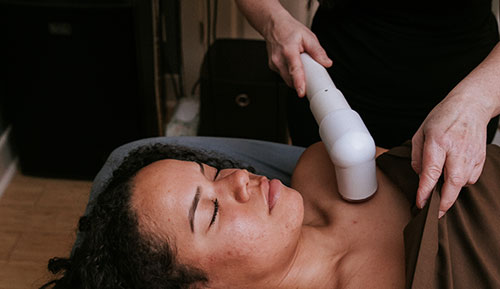
Electro-Lymphatic Therapy
This gentle, non-invasive therapy may be considered when swelling, puffiness, heaviness or healthy lymphatic flow and fluid movement are relevant concerns.
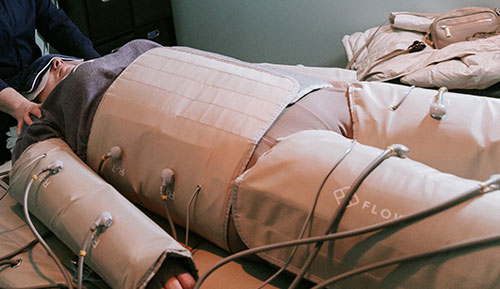
Flowpresso
Flowpresso combines gentle compression and warmth to support relaxation, lymphatic flow and nervous system regulation when physical tension or recovery concerns are present.
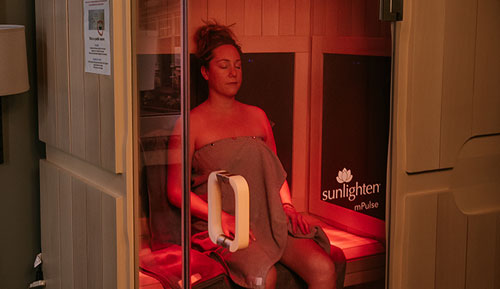
Infrared Sauna
Gentle infrared warmth may support circulation, muscle relaxation and overall comfort while providing a calming environment for rest and recovery.
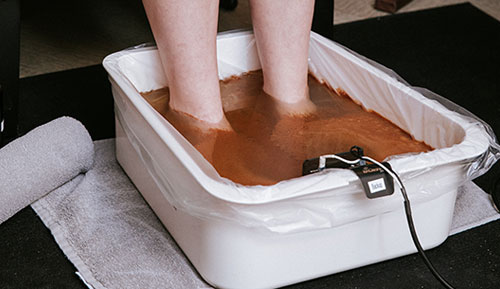
IonCleanse Foot Bath
This relaxing ionic foot bath may be considered as part of a broader wellness plan when relaxation and general cleansing support align with the individual’s goals.

Remote Nutritional Care
Personalized nutritional guidance and ongoing support are available from a distance when nutritional care is appropriate and an in-person visit is not possible.
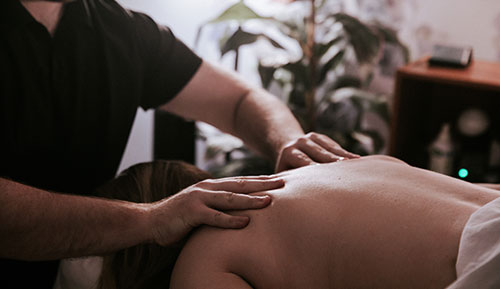
Massage Therapy at The Well Spa
From focused therapeutic bodywork to restorative relaxation, massage therapy may help ease muscle tension, support mobility and encourage whole-body relaxation.
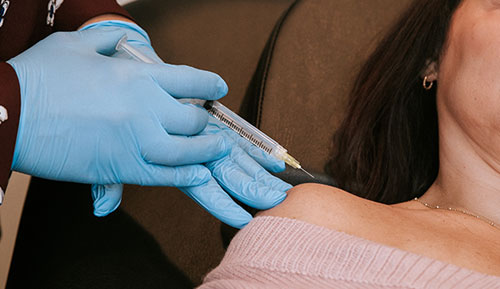
Neural Therapy at The Well Spa
This injection-based therapy, performed by a qualified provider, may be considered when scars, previous procedures, injuries or localized areas of discomfort are relevant to the broader pain pattern.

IV Infusions & Injections at The Well Spa
Individualized hydration and nutrient support may be considered during periods of physical recovery or when specific wellness needs are identified. Eligibility and formulation are determined by an appropriately qualified provider.
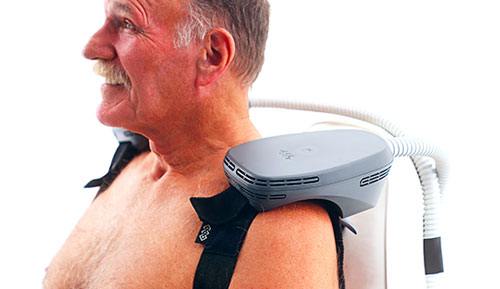
Advanced Pain Relief & Mobility at Well EmSpa
Non-invasive technologies, including EMVITAL and EMSCULPT NEO, may support temporary relief of muscle and joint discomfort, muscle relaxation, strength, stability and more comfortable movement.
These modalities are not a checklist, and your diagnosis does not determine which options are appropriate for you. Our team will consider your individual needs and current care before helping you identify a practical place to begin.
YOUR NEXT STEP
You Do Not Need to Navigate This Alone
You may be managing an established diagnosis, several overlapping concerns or limitations that continue to affect your daily life. You do not need to understand every connection or know which modality may be appropriate before reaching out.
Share a little about your diagnosis, current care and how the condition is affecting your comfort and movement. Our team will review what you provide and help identify a practical place to begin based on your individual needs, goals and existing treatment plan.
When appropriate, our recommendations are designed to come alongside your healthcare providers and respect any medical guidance or restrictions already in place.