
DIGESTIVE & GUT CONDITIONS
Digestive Conditions Can Affect More Than Your Gut
Receiving a digestive diagnosis can provide important answers, but it may also leave you with new questions. You may still be navigating daily symptoms, wondering how nutrition fits into your care or trying to understand what additional support may be appropriate for your individual needs.
At The Well, we take time to understand how your condition is affecting your comfort, energy, eating patterns and everyday life. Our role is not to replace medical diagnosis or treatment. We come alongside you and your healthcare providers with personalized wellness support designed to complement the care you are already receiving.
SUPPORT THAT COMPLEMENTS YOUR CARE
Your Diagnosis Is Part of the Story
A diagnosis provides an important framework for understanding your health, but it does not tell us everything about your individual experience. Two people with the same digestive condition may have different symptoms, triggers, nutritional needs, treatment plans and daily challenges.
The Well does not diagnose or treat digestive conditions. We look at how your condition is affecting you as a whole person, then consider supportive modalities that may complement appropriate medical care and the recommendations of your healthcare providers.
EXPLORE DIGESTIVE CONDITIONS
Find the Condition You Are Navigating
The conditions below are grouped only to make the page easier to explore. Open any condition to learn more about what it may involve and the areas of wellness The Well may consider as part of a personalized, complementary approach.
These descriptions provide general information and do not replace guidance from your healthcare provider.
Upper Digestive & Gallbladder Conditions
Acid Reflux and GERD
Acid reflux occurs when stomach contents move upward into the esophagus. When reflux becomes persistent or causes complications, it may be diagnosed as gastroesophageal reflux disease, or GERD. Not everyone experiences the same symptoms or food triggers. The Well may consider meal timing, eating patterns, stress and daily habits while encouraging continued evaluation and treatment through the visitor’s healthcare provider.
Gastritis and Peptic Ulcer Disease
Gastritis involves inflammation of the stomach lining, while peptic ulcers are sores that develop in the lining of the stomach or upper small intestine. Symptoms and causes can vary, and some cases require treatment for infection or medication-related irritation. The Well may consider nutrition, meal patterns and digestive comfort while supporting the medical evaluation, treatment and monitoring recommended by the visitor’s healthcare provider.
Gallstones
Gallstones are hardened particles that develop within the gallbladder. Some cause no symptoms, while others may block the bile ducts and require prompt medical attention. Nutrition, weight changes and existing medical recommendations may all be relevant to the broader wellness picture. The Well may provide complementary nutritional support, but gallstones require appropriate medical evaluation and cannot be diagnosed or treated through wellness modalities.
Food, Absorption & the Small Intestine
SIBO
Small intestinal bacterial overgrowth, or SIBO, involves changes in the number or types of bacteria within the small intestine. It may be associated with bloating, gas, abdominal discomfort, diarrhea or other digestive concerns, but symptoms can overlap with several conditions. Medical evaluation is important. The Well may consider nutrition, eating patterns, digestive comfort and nutrient needs as supportive areas alongside provider-directed care.
Celiac Disease
Celiac disease is a chronic digestive and immune disorder in which consuming gluten damages the small intestine and may interfere with nutrient absorption. Management requires a strict gluten-free diet and continued medical guidance. The Well may support meal planning, nutritional adequacy and broader digestive wellness while respecting the visitor’s prescribed diet, medical monitoring and recommendations from their healthcare providers.
Lactose Intolerance
Lactose intolerance occurs when the body does not fully digest lactose, the natural sugar found in milk and dairy products. It may cause bloating, gas, abdominal discomfort or diarrhea, although the amount of lactose a person can tolerate varies. The Well may consider symptom patterns, dairy intake and nutritional adequacy while helping clients avoid unnecessary restrictions and maintain appropriate intake of nutrients such as calcium and vitamin D.
Other Food Sensitivities and Intolerances
Food intolerance generally refers to difficulty digesting or processing certain foods, while the term food sensitivity is often used more broadly to describe symptoms associated with particular foods. These concerns are different from celiac disease and potentially serious food allergies. The Well may consider food history, eating patterns, digestive comfort and nutritional adequacy without encouraging unnecessary food restrictions or replacing appropriate medical evaluation.
Bowel Function & Motility
Irritable Bowel Syndrome (IBS)
Irritable bowel syndrome is a disorder of gut-brain interaction that may involve recurring abdominal pain and changes in bowel movements, including constipation, diarrhea or both. Symptoms, food triggers and their effect on daily life can vary considerably. The Well may consider eating patterns, hydration, stress, digestive comfort and daily routines while providing support that complements recommendations from your healthcare provider.
Chronic Constipation
Chronic constipation may involve infrequent bowel movements, hard or difficult-to-pass stools or a feeling that the bowel has not emptied completely. Causes and medical needs can differ from one person to another. The Well may consider hydration, food and fiber intake, movement and daily bathroom routines while taking existing conditions, medications and provider recommendations into account.
Inflammatory & Structural Conditions
Crohn’s Disease
Crohn’s disease is a chronic inflammatory bowel disease that can affect different areas of the digestive tract. Symptoms, nutritional needs and disease activity may change over time, including periods of flares and improvement. The Well may consider nutrition, hydration, energy and recovery as supportive areas. These services do not treat Crohn’s disease or replace gastroenterology care, prescribed medications or medical monitoring.
Ulcerative Colitis
Ulcerative colitis is a chronic inflammatory bowel disease that causes inflammation and ulcers within the lining of the large intestine. The condition may affect appetite, hydration, energy and everyday routines differently during active symptoms and periods of remission. The Well may offer supportive wellness guidance, but clients should continue following the treatment plan, dietary guidance and monitoring recommendations provided by their gastroenterologist or healthcare team.
Diverticular Disease
Diverticulosis occurs when small pouches form within the wall of the colon. When these pouches cause symptoms, bleeding, inflammation or other complications, the condition is known as diverticular disease. Nutritional needs may differ depending on the person’s history and whether symptoms are active. The Well may consider hydration, nutrition and bowel routines only in ways that are consistent with medical guidance and current care.
Don’t See Your Digestive Condition Listed?
The conditions above represent some of the concerns people commonly navigate, but they are not a complete list. If you are living with another digestive diagnosis, tell us what you have been experiencing and the care you are currently receiving. Our team can review your information and help determine whether The Well’s supportive approach may be appropriate alongside your existing medical care.
LOOKING BEYOND THE DIAGNOSIS
Digestive Conditions Can Affect More Than Digestion
A digestive condition may influence eating, energy, sleep, daily routines and overall quality of life. The condition itself, its symptoms and the care required to manage it can all shape a person’s experience. When considering supportive options, we look at the following areas without assuming that any one of them caused the condition or changing the medical plan established by the person’s healthcare providers.

Nutrition & Eating Patterns
Symptoms, food tolerances and medical recommendations may affect what, when and how much someone feels comfortable eating. We consider eating patterns, nutritional variety and the ability to feel adequately nourished without encouraging unnecessary food restrictions.
Digestion & Nutrient Absorption
The digestive system must break down food and make nutrients available for the body to use. Certain digestive conditions or treatments may make nutritional needs worth discussing, but symptoms alone cannot confirm a deficiency or problem with absorption.

Bowel Function, Hydration & Daily Routines
Bowel patterns may be influenced by the condition, medications, hydration, movement and everyday routines. Understanding what is typical for the individual and how those patterns have changed helps provide context for supportive recommendations.
Stress & the Gut-Brain Connection
The digestive system and brain communicate in both directions. Stress may influence digestive comfort and bowel patterns, while living with persistent digestive symptoms can create additional stress. Considering this connection does not mean that symptoms are psychological or caused by stress alone.
Energy, Sleep & Recovery
Digestive discomfort, disrupted routines and difficulty meeting nutritional needs may occur alongside changes in energy or sleep. We consider how well the person is resting, recovering and managing daily demands as part of the broader wellness picture.

Medical Treatment & Current Care
Medications, procedures, surgeries, dietary instructions and ongoing monitoring are important parts of the person’s story. Understanding current treatment helps us identify whether supportive modalities may fit safely alongside the care and recommendations provided by their healthcare team.
Considering these areas helps us personalize support around the whole person. It does not determine the cause of the condition or replace appropriate medical evaluation and treatment.
Still Trying to Understand Your Digestive Symptoms?
You do not need a diagnosis to begin exploring your options. If you are experiencing bloating, constipation, reflux, digestive discomfort or other concerns that have been difficult to explain, visit our Digestion & Gut Health Symptoms page to explore common patterns and learn how we may help you find an appropriate place to begin.
A PERSONALIZED APPROACH
We Start by Listening to the Whole Story
Digestive symptoms can be frustrating, especially when they change from day to day or do not seem to follow an obvious pattern. At The Well, your first step is not choosing from a list of modalities. Our process begins with understanding what you have been experiencing and how it is affecting your everyday life.
1. Understand What You Are Experiencing
We take time to learn how your symptoms appear, when they tend to occur and whether you have noticed patterns involving certain foods, meals or routines. We may also discuss bowel habits, appetite, health history, medications, current medical care and your goals. You do not need to arrive with perfect records or an explanation for what is happening.
2. Explore Relevant Areas of Support
Using the information you share and any appropriate assessments, we consider patterns that may be relevant to your digestive wellness. This may include nutrition, eating habits, hydration, stress and daily routines. We then consider which modalities may offer meaningful support and how they can complement care you are already receiving from your healthcare providers.
3. Create a Personalized Starting Point
You will not be expected to determine which modality you need on your own. Our team will help you identify a practical starting point based on your concerns, goals and comfort level. Your plan may begin with one modality or include several forms of support over time, with recommendations adjusted as your needs change.

Our goal is to come alongside you and your healthcare providers with support that complements your existing care and reflects your digestive concerns, health history and personal wellness goals.
A PERSONALIZED APPROACH
We Come Alongside You and Your Healthcare Providers
Your diagnosis and treatment plan provide important context, but personalized support begins with understanding how the condition is affecting you. We take time to learn about your current care, everyday challenges and wellness goals before discussing where complementary support may fit.

1. Understand Your Diagnosis and Current Care
We begin by learning about your diagnosis, when it was made and the healthcare providers involved in your care. We also consider your current treatment plan, medications, testing, dietary recommendations and any medical restrictions that should guide our approach.
2. Understand How It Is Affecting You
Next, we explore how the condition influences your daily experience. This may include digestive symptoms, eating patterns, bowel concerns, energy, sleep, stress and the ways your health affects work, family responsibilities and everyday routines.
3. Identify Complementary Support
After considering the whole picture, we help determine whether any supportive modalities may be appropriate alongside your existing care. Recommendations are based on your individual needs, goals, comfort level and the guidance you have received from your healthcare providers.
Our goal is to come alongside you and your healthcare providers with personalized support that complements your existing care, respects your medical recommendations and reflects your individual needs.
MODALITIES THAT MAY SUPPORT YOU
Personalized Support for Digestive Wellness
A digestive diagnosis does not automatically indicate which modalities, if any, may be appropriate. Recommendations depend on the condition, current symptoms, medical treatment, nutritional needs, health history and guidance provided by the person’s healthcare team.
The following modalities represent some of the options that may be considered after we understand the whole story.
Together, these modalities can provide a broad starting point for exploring nutritional needs, eating patterns and areas where personalized support may complement existing digestive care.

Muscle Response Testing
A non-invasive assessment method that may help identify areas of stress and guide individualized nutritional and wellness recommendations based on the person’s broader health picture.

Personalized Nutrition
Individualized nutrition and supplement recommendations developed around the person’s digestive concerns, nutritional needs, medical guidance, lifestyle and wellness goals.
Additional Modalities That May Be Considered
Depending on your concerns and personalized starting point, one or more of these modalities may also be considered.

Colon Hydrotherapy
Colon Hydrotherapy may be considered for certain individuals only after a review of their health history, current symptoms and medical care. It may not be appropriate for people with certain digestive conditions, active inflammation, recent procedures or other health concerns. Eligibility is determined through appropriate screening, and medical clearance may be required before scheduling.

Purification Programs
Guided whole-food nutrition programs that may support healthier eating habits and balanced nutrition when they are appropriate for the person’s condition, nutritional needs and medical recommendations.

Metabolic Balance
A structured, individualized food plan that may support balanced nutrition, healthy eating patterns and metabolic wellness while respecting any dietary guidance related to the person’s digestive condition.
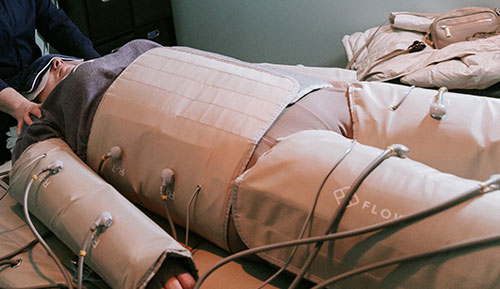
Flowpresso
A relaxing, full-body modality combining gentle compression, deep pressure and infrared warmth that may support relaxation, lymphatic flow and nervous system balance when stress or physical tension is part of the broader picture.

Remote Nutritional Care
Personalized nutritional guidance and continued support for clients who cannot visit in person or who need ongoing care from a distance.
These modalities are not a checklist, and a diagnosis does not mean that you need any particular option. Our team will consider your condition, current care, provider recommendations and individual goals before helping you determine whether complementary support may be appropriate.
YOUR NEXT STEP
You Do Not Need to Navigate This Alone
Having a diagnosis does not always make it clear what kind of complementary support may be appropriate. You may be managing ongoing symptoms, adjusting to dietary recommendations or trying to understand how your condition fits into your broader wellness.
Share a little about your diagnosis, current care and the ways the condition is affecting your daily life. Our team will review what you provide and contact you to help determine whether The Well may offer an appropriate place to begin alongside your existing medical care.