
Brain, Mood & Nervous System Conditions
Brain and Nervous System Health Shapes How You Think, Feel and Function
A diagnosis may help explain changes in focus, memory, learning, mood, sleep or nervous system function, but it does not always capture how those changes affect your daily life. To understand your individual experience, we consider the broader patterns that may be influencing how you think, feel and function.
At The Well, we come alongside you and your healthcare or mental health providers with personalized wellness support designed to complement, not replace, medical evaluation, psychotherapy, psychiatric care, medication management or other prescribed treatment.
SUPPORT THAT COMPLEMENTS YOUR CARE
Your Diagnosis Is Part of the Story
The conditions below are grouped to make the page easier to explore. Open any topic to learn more about the condition, the broader areas The Well may consider and how personalized wellness support may complement the medical or mental health care you already receive.
EXPLORE BRAIN, MOOD & NERVOUS SYSTEM CONDITIONS
Find the Condition You Are Navigating
The conditions and concerns below are grouped to make the page easier to explore. Open any topic to learn more about it, the broader areas The Well may consider and how personalized support may complement the care you are already receiving.
Mood, Anxiety & Trauma-Related Conditions
Anxiety Disorders
Anxiety disorders involve more than occasional worry and may affect sleep, concentration, physical tension, digestion and daily activities. Experiences and treatment needs can vary depending on the type of anxiety and its effect on everyday life. The Well may consider stress patterns, sleep, nutrition and physical wellness as part of the broader picture. Our modalities complement, but do not replace, care from licensed medical or mental health professionals.
Depressive Disorders
Depressive disorders can affect mood, motivation, energy, sleep, appetite, concentration and the ability to enjoy everyday activities. Each person’s experience, health history and treatment plan may be different. The Well may consider nutrition, sleep, stress, physical comfort and daily routines when exploring complementary support. Depression requires appropriate professional care, and our modalities do not replace psychotherapy, psychiatric treatment or medication management.
Bipolar Disorder
Bipolar disorder involves significant changes in mood, energy, activity and concentration that are different from ordinary emotional ups and downs. Ongoing psychiatric care and careful medication management are important parts of treatment. The Well may consider sleep, nutrition, stress and general wellness as part of the broader experience. Complementary modalities should be coordinated with the appropriate healthcare or mental health provider and should never replace or alter prescribed treatment.
Post-Traumatic Stress Disorder
Post-traumatic stress disorder can develop after experiencing or witnessing trauma and may affect sleep, mood, concentration, physical tension and the sense of safety. Symptoms and recovery needs vary from person to person. The Well may consider nervous system regulation, physical wellness, sleep and stress as part of a supportive plan. Our modalities are not trauma therapy and do not replace care from a licensed, trauma-informed mental health professional.
Obsessive-Compulsive Disorder
Obsessive-compulsive disorder involves recurring unwanted thoughts, urges or images and repetitive behaviors or mental rituals that may interfere with daily life. The condition can affect sleep, concentration, stress and emotional well-being in different ways. The Well may consider these broader wellness patterns while respecting the visitor’s existing treatment plan. Supportive modalities do not replace evidence-based psychotherapy, psychiatric care or prescribed medication.
Brain Injury & Nervous System Conditions
Concussion & Post-Concussion Syndrome
A concussion is a brain injury that may affect thinking, balance, vision, sleep, mood and physical comfort. Some people experience symptoms that continue beyond the expected recovery period. Medical evaluation and guidance for returning to work, school, exercise or sports are essential. The Well may consider sleep, nutrition, stress and physical tension when exploring complementary support, but our modalities do not replace neurological evaluation, rehabilitation or prescribed treatment.
Traumatic Brain Injury
Traumatic brain injuries can range from mild to severe and may affect cognition, movement, communication, mood and everyday functioning. Needs can vary considerably depending on the injury and stage of recovery. The Well may consider nutrition, sleep, stress and physical wellness only as part of a broader supportive plan. Any complementary modality should be coordinated with the person’s physician, neurologist or rehabilitation team, and medical clearance may be required.
Dysautonomia & POTS
Dysautonomia refers to conditions affecting the autonomic nervous system, which helps regulate functions such as heart rate, blood pressure, temperature and digestion. Postural orthostatic tachycardia syndrome, commonly called POTS, is one form of dysautonomia. Symptoms and medical needs can vary widely. The Well may consider nutrition, hydration, sleep and stress within the broader wellness picture while working alongside the visitor’s healthcare providers and prescribed treatment.
Peripheral Neuropathy
Peripheral neuropathy involves damage or dysfunction in nerves outside the brain and spinal cord. It may cause numbness, tingling, burning discomfort, weakness or changes in balance. Because neuropathy can have several underlying causes, appropriate medical evaluation is important. The Well may consider nutrition, circulation, physical comfort and daily functioning when exploring complementary support. Our modalities do not identify the cause of neuropathy or replace neurological or medical treatment.
Attention, Learning & Cognitive Conditions
Attention-Deficit/Hyperactivity Disorder
Attention-deficit/hyperactivity disorder can affect attention, impulse control, organization, time management and the ability to complete everyday tasks. It can present differently in children and adults and may overlap with sleep, learning or emotional concerns. The Well may consider cognitive patterns, nutrition, sleep and stress as part of the broader picture. Our modalities complement appropriate medical, educational or behavioral care and do not replace diagnosis or prescribed treatment.
Dyslexia & Specific Learning Disorders
Dyslexia and other specific learning disorders can affect reading, writing, mathematics or the way information is processed and expressed. These conditions are not a reflection of intelligence, and each person may have different strengths and challenges. The Well may consider learning history, focus, stress and overall cognitive wellness when exploring support. Our modalities do not replace educational evaluations, school accommodations, tutoring or care from qualified learning specialists.
Mild Cognitive Impairment
Mild cognitive impairment involves noticeable changes in memory or thinking that are greater than expected with normal aging but may not prevent independent daily living. Because cognitive changes can have many possible causes, proper medical evaluation and ongoing monitoring are important. The Well may consider sleep, nutrition, stress and general wellness as part of the broader picture. Our modalities do not diagnose cognitive impairment or replace neurological care.
Don’t See Your Condition Listed?
This page includes many common brain, mood and nervous system conditions, but it is not a complete list. Tell us what you are navigating, how it is affecting your daily life and what medical or mental health care you are currently receiving. Our team will review your information and help determine whether The Well’s complementary approach may be an appropriate fit.
LOOKING BEYOND THE DIAGNOSIS
These Conditions Can Affect More Than One Area of Life
A diagnosis may identify part of what you are experiencing, but it does not always explain how the condition affects your thoughts, emotions, physical well-being and daily life. To understand your individual experience, we consider several areas that may be relevant without assuming that any one of them caused the condition.
Focus, Memory & Cognitive Function
We consider changes in attention, memory, mental clarity, learning, organization and the ability to complete everyday tasks. We also look at when these changes began, whether they fluctuate and how they affect work, school or home life.
Mood & Emotional Well-Being
Changes in mood, motivation, emotional regulation and the ability to manage everyday demands may shape how a condition is experienced. We consider these concerns while respecting any counseling, psychotherapy, psychiatric care or other mental health support already in place.
Sleep & Daily Rhythms
Sleep quality, inconsistent schedules and difficulty settling or waking may affect energy, concentration, mood and resilience. The condition itself, medications or current treatment may also influence sleep and daily routines.
Stress Response & Physical Tension
Ongoing stress may be accompanied by muscle tension, headaches, digestive changes, restlessness or difficulty relaxing. We consider how the body responds to stress without suggesting that stress caused the diagnosis.

Nutrition, Digestion & Energy
Eating patterns, appetite, digestion, nutritional needs and energy fluctuations may be relevant to overall wellness. These areas are considered as part of the broader picture, not as explanations for a neurological or mental health condition.

Medical Treatment & Current Care
We account for diagnoses, medications, psychotherapy, rehabilitation, previous injuries and care from physicians, neurologists, psychiatrists, psychologists or other professionals. This helps us identify support that fits appropriately alongside existing treatment.
Considering these areas helps us understand how the condition is affecting the whole person. It does not determine what caused the condition or replace medical or mental health evaluation, testing or treatment. Our role is to come alongside you and your providers with support that respects your existing care.
Still Trying to Understand Changes in Focus, Mood or Stress?
If you have not received a diagnosis or are still trying to understand concerns such as brain fog, difficulty concentrating, forgetfulness, mood changes, emotional overwhelm, disrupted sleep or difficulty relaxing, begin with our Stress, Mood & Nervous System symptoms guide. It can help you explore the broader patterns and learn how The Well may support your next step.
A PERSONALIZED APPROACH
We Start by Listening to the Whole Story
Digestive symptoms can be frustrating, especially when they change from day to day or do not seem to follow an obvious pattern. At The Well, your first step is not choosing from a list of modalities. Our process begins with understanding what you have been experiencing and how it is affecting your everyday life.
1. Understand What You Are Experiencing
We take time to learn how your symptoms appear, when they tend to occur and whether you have noticed patterns involving certain foods, meals or routines. We may also discuss bowel habits, appetite, health history, medications, current medical care and your goals. You do not need to arrive with perfect records or an explanation for what is happening.
2. Explore Relevant Areas of Support
Using the information you share and any appropriate assessments, we consider patterns that may be relevant to your digestive wellness. This may include nutrition, eating habits, hydration, stress and daily routines. We then consider which modalities may offer meaningful support and how they can complement care you are already receiving from your healthcare providers.
3. Create a Personalized Starting Point
You will not be expected to determine which modality you need on your own. Our team will help you identify a practical starting point based on your concerns, goals and comfort level. Your plan may begin with one modality or include several forms of support over time, with recommendations adjusted as your needs change.
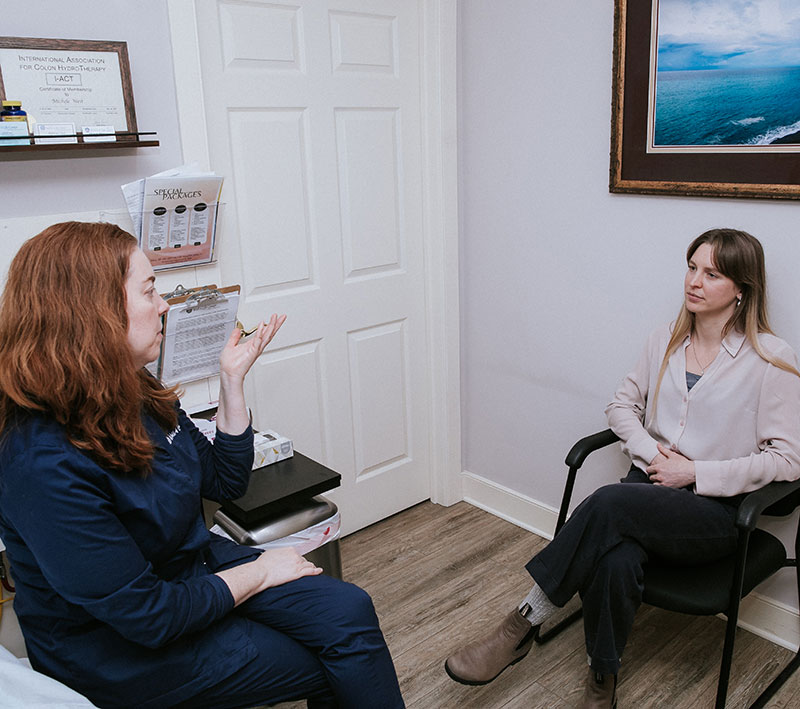
Our goal is to come alongside you and your healthcare providers with support that complements your existing care and reflects your digestive concerns, health history and personal wellness goals.
A PERSONALIZED APPROACH
We Come Alongside You and Your Healthcare Providers
Brain, mood and nervous system conditions can affect each person differently. We begin by understanding your diagnosis, how it is influencing your daily life and the medical or mental health care you are already receiving.
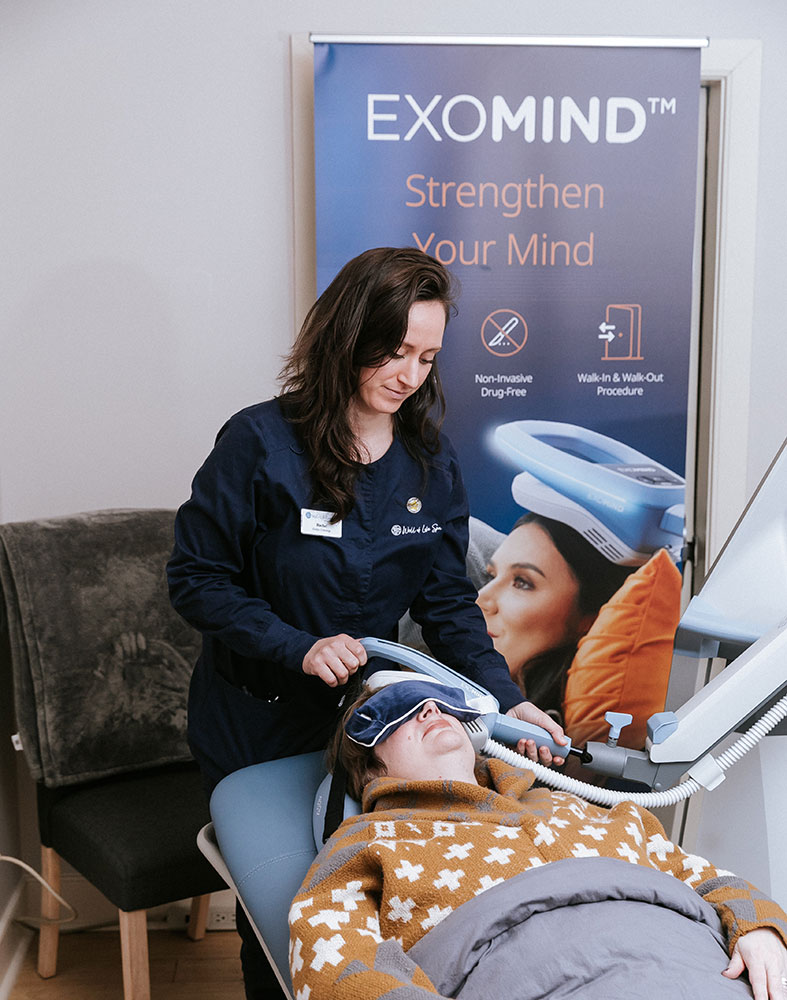
1. Understand Your Diagnosis and Current Care
We learn about your diagnosis, health history, current providers and treatment plan. This may include medications, psychotherapy, psychiatric care, neurological care, rehabilitation, previous injuries and any professional recommendations or restrictions.
2. Understand How It Is Affecting You
We take time to explore changes in focus, memory, learning, mood, sleep, energy, stress and physical well-being. We also consider when these concerns began, whether they fluctuate and how they affect work, school, relationships and everyday responsibilities.
3. Identify Complementary Support
Based on your individual needs, goals, comfort level and existing care, we consider which supportive modalities may be appropriate. You will not be expected to determine which modality you need or navigate the options alone.
Our goal is to come alongside you and your healthcare or mental health providers with personalized support that complements your existing care and respects the full story of what you have been experiencing.
MODALITIES THAT MAY SUPPORT YOU
Personalized Support for Brain, Mood & Nervous System Wellness
Having a diagnosis does not automatically mean that a particular modality is appropriate for you. Recommendations depend on your symptoms, health history, current treatment, personal goals and guidance from your healthcare or mental health providers. Some modalities require additional screening or medical clearance.
These two modalities provide distinct starting points for exploring mood, focus and cognitive wellness based on your individual concerns, current care and provider recommendations.
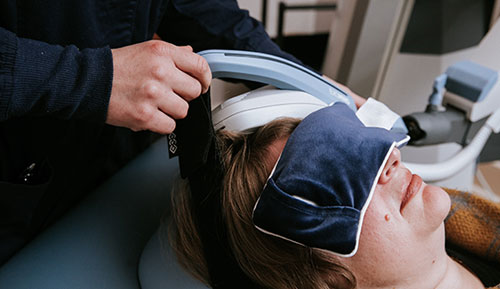
EXOMIND at Well EmSpa
EXOMIND uses non-invasive ExoTMS technology to stimulate targeted areas of the brain involved in mood regulation and cognitive function. It is designed to support mood, mental clarity, focus, emotional well-being and cognitive performance. EXOMIND is FDA-cleared for Major Depressive Disorder in certain adult patients who have not achieved satisfactory improvement from antidepressant medication during the current episode.
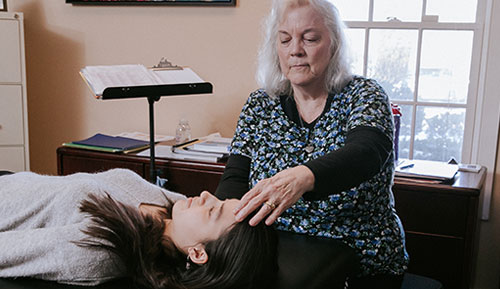
Brain Integration Technique
Brain Integration Technique is a non-invasive approach designed to support communication and coordination between different areas of the brain. Through an individualized series of activities and techniques, it explores patterns that may be affecting focus, learning, memory, information processing and cognitive function. It may be considered for children or adults experiencing cognitive or learning challenges while complementing, rather than replacing, educational, neurological or medical evaluation and care.
Additional Modalities That May Be Considered
Depending on your diagnosis, symptoms and personalized starting point, one or more of these modalities may also be considered.
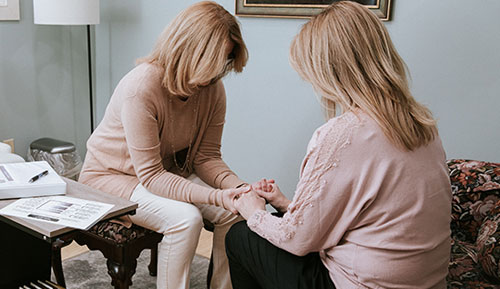
Splankna Therapy
A faith-based mind-body approach designed to help clients explore unresolved emotional patterns that may be affecting their well-being. Splankna is not psychotherapy and does not replace care from a licensed mental health professional.
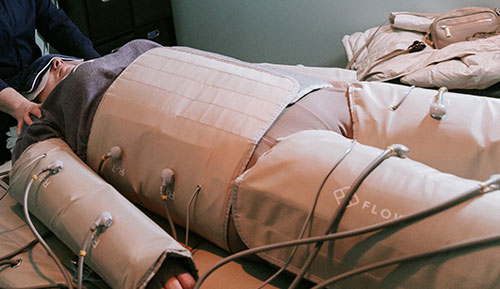
Flowpresso
A relaxing full-body modality combining gentle compression, warmth and deep pressure. It may be considered when relaxation, lymphatic flow or nervous system support is relevant to the broader wellness picture.
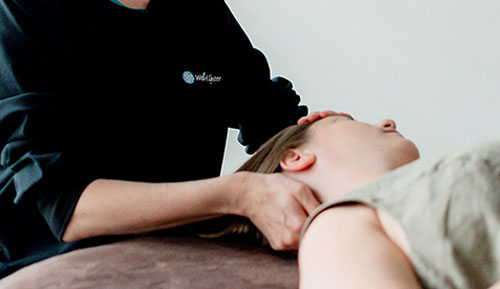
Craniosacral Fascial Therapy
A gentle, hands-on modality that may support comfort, mobility and the release of fascial tension when headaches, physical tension, previous injuries or difficulty relaxing are part of the individual’s experience.
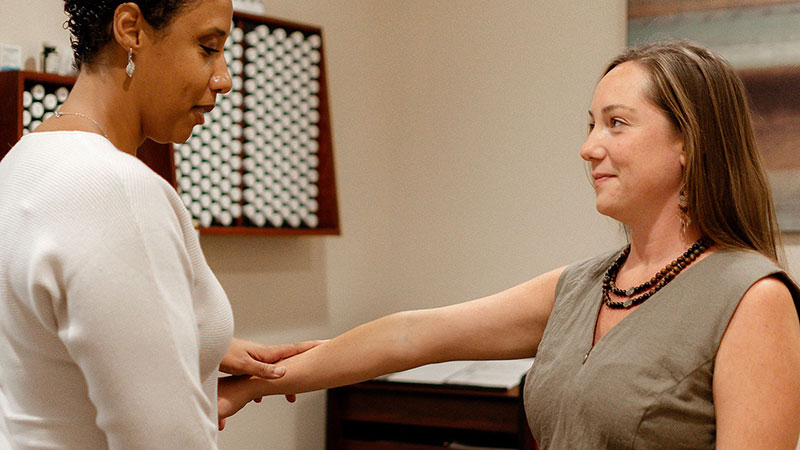
Muscle Response Testing
A non-invasive assessment method that may help explore patterns of stress and guide individualized nutritional recommendations. It does not diagnose neurological, psychiatric or mental health conditions.

Personalized Nutrition
Customized nutrition and supplement recommendations based on individual needs, health concerns and wellness goals. Current medications, diagnoses and guidance from healthcare providers are considered when developing recommendations.
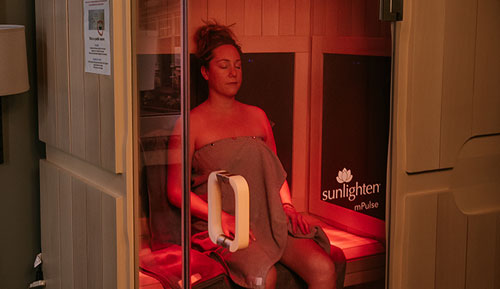
Infrared Sauna
A gentle heat modality that may support relaxation, healthy circulation and relief from everyday physical tension. Eligibility is determined according to the individual’s health history and current medical care.

Remote Nutritional Care
Personalized nutritional guidance and continued support for clients who cannot visit The Well in person. Recommendations can be coordinated with existing medical guidance and adjusted as individual needs change.

Neural Therapy at The Well Spa
Neural Therapy may be considered when scars, previous injuries or other physical stressors are part of the broader nervous system picture. Appropriate screening helps determine whether this modality may fit alongside existing medical or rehabilitative care.
These modalities are not a checklist, and you will not be expected to choose from them alone. Our team will consider your diagnosis, current treatment, symptoms and goals before helping you identify an appropriate place to begin. Do not discontinue or adjust psychiatric, neurological or other medications or treatments without consulting the prescribing healthcare provider.
YOUR NEXT STEP
You Do Not Need to Navigate This Alone
You may be living with a diagnosis, experiencing several overlapping concerns or simply looking for support that works alongside the care you already receive. You do not need to understand every connection or know which modality may be appropriate before reaching out.
Share what you are navigating, how it is affecting your daily life and what medical, mental health or rehabilitative care you currently receive. Our team will review your information and help you identify a practical place to begin based on your needs, goals and existing care.